
Enhancing 911 Operations with Promptelligence Innovation: Innovating 911 Operations for the Future
- Michael LEON
- Jan 26
- 4 min read

Working inside a 911 center for 17 years has given me a clear view of what works, what doesn’t, and what desperately needs to change. The reality of emergency communications is often misunderstood. It’s not about heroics or adrenaline-fueled drama. It’s about precision, empathy, and managing chaos with calm and clarity. Today, I want to talk about how innovating 911 operations through technologies like Promptelligence can address real problems, reduce burnout, and improve outcomes for everyone involved.
The Urgent Need for Innovating 911 Operations
The 911 system is the backbone of emergency response, but it’s also a system stretched thin. Dispatchers face high call volumes, complex situations, and emotional trauma daily. The tools they use often lag behind the demands of the job. Outdated software, fragmented data, and manual processes slow down response times and increase stress.
Innovation in 911 operations isn’t just about faster computers or new gadgets. It’s about creating systems that understand the human element of emergency communication. This means integrating trauma-informed approaches, reducing cognitive overload, and providing actionable intelligence in real time.
For example, AI-driven platforms can analyze caller information instantly, flagging critical details that might otherwise be missed. This helps dispatchers prioritize calls more effectively and allocate resources where they’re needed most. It also means less guesswork and fewer errors, which can save lives.

How Promptelligence is Changing the Game
Promptelligence is not just another tech buzzword. It’s a practical innovation designed specifically for emergency communications. By combining artificial intelligence with deep understanding of 911 workflows, Promptelligence offers tools that enhance decision-making without overwhelming the user.
Here’s what makes it different:
Contextual Awareness: The system understands the context of each call, providing relevant prompts and suggestions based on the situation.
Real-Time Data Integration: It pulls in data from multiple sources—police, fire, EMS, weather, traffic—to give a comprehensive picture.
Adaptive Learning: The AI learns from past calls and outcomes, improving its recommendations over time.
User-Centered Design: The interface is built with input from dispatchers, focusing on clarity and ease of use.
This approach respects the expertise of dispatchers rather than trying to replace it. It’s about augmenting human judgment with smart tools that reduce cognitive load and improve accuracy.
What does prepared 911 do?
Prepared 911 is a concept and a practice that focuses on readiness beyond just technology. It’s about training, protocols, and mental health support that prepare dispatchers for the realities of the job. Prepared 911 means:
Scenario-Based Training: Regular drills that simulate complex emergencies, helping dispatchers build muscle memory and confidence.
Trauma-Informed Practices: Recognizing the emotional toll of the work and providing resources to manage stress and prevent burnout.
Clear Communication Protocols: Standardized language and procedures that reduce confusion and improve coordination.
Technology Integration: Using tools like Promptelligence to support decision-making without adding complexity.
Prepared 911 is the foundation that makes technological innovation effective. Without it, even the best tools can fall short.
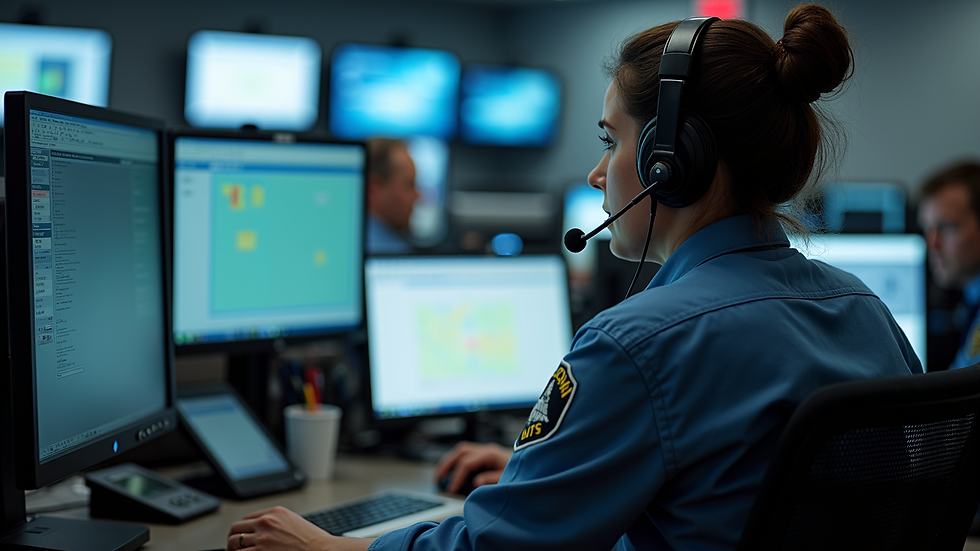
Real Problems, Real Impact, Real Solutions
The challenges in 911 operations are not theoretical. They affect real people every day—dispatchers, responders, and the public. Here are some of the core issues and how innovation can address them:
Information Overload: Dispatchers juggle multiple calls and data streams. Promptelligence filters and prioritizes information, helping dispatchers focus on what matters most.
Burnout and Mental Health: High stress leads to turnover and mistakes. Prepared 911 programs combined with AI support reduce cognitive strain and provide mental health resources.
Delayed Response Times: Fragmented data slows decisions. Real-time integration speeds up dispatch and improves coordination.
Inconsistent Protocols: Variability in training and procedures causes errors. Standardized, AI-supported prompts ensure consistency.
Lack of Feedback Loops: Dispatchers rarely get feedback on outcomes. Adaptive learning systems provide insights that help improve future responses.
These solutions are not pie-in-the-sky ideas. They are grounded in lived experience and practical application. The goal is to build a system that works for the people who run it and the communities it serves.
Building a Future with Purpose and Accountability
Innovation in 911 operations must be purposeful. It’s not about flashy tech for its own sake. It’s about accountability—to the public, to dispatchers, and to the entire emergency response ecosystem.
That means:
Transparency: Clear communication about how AI tools work and how data is used.
Ethical Design: Avoiding bias and ensuring equitable service for all communities.
Ongoing Training: Continuous education to keep pace with evolving technology and challenges.
Collaboration: Involving dispatchers, responders, policymakers, and mental health experts in design and implementation.
The future of 911 is not just automated systems or AI. It’s a human-centered approach that respects the complexity of emergency communication and leverages technology to make it better.
For those interested in the intersection of technology and emergency communications, exploring reimagining 911 & promptelligence offers valuable insights and resources.
Moving Forward: A Call to Action
The path to modernizing 911 operations is clear but requires commitment. It’s time to invest in tools like Promptelligence, expand prepared 911 programs, and prioritize the well-being of dispatchers. This is how we build a system that can handle today’s challenges and tomorrow’s uncertainties.
If you are involved in emergency communications—whether as a dispatcher, leader, trainer, or policymaker—consider these steps:
Evaluate your current technology and identify gaps.
Advocate for trauma-informed training and mental health support.
Engage with AI solutions that are designed with dispatcher input.
Foster a culture of continuous improvement and accountability.
The work is hard, but the impact is profound. By embracing innovation grounded in real-world experience, we can create a 911 system that truly serves its purpose—saving lives with precision, empathy, and resilience.


Comments